

Physical Features
Natural Geography of Mul Baiyer Lumusa District
Geographic Overview
Mul-Baiyer Lumusa District features diverse terrain ranging from fertile valleys to rugged highlands, creating a unique environment that supports both agriculture and rich biodiversity.
Landscape & Terrain
The district is a blend of fertile inter-montane valleys and rugged highland mountains.
- Baiyer Valley
- Lower Jimi Valley fringes
- Hagen Range foothills
Climate
Cool highland climate with significant rainfall supporting agriculture.
- Annual rainfall: 2,400–3,300 mm
- Cool highland temperatures
- Seasonal wet periods
Rivers & Environment
Rich water resources supporting agriculture and biodiversity.
- Baiyer River (central waterway)
- Numerous tributaries
- Baiyer River Sanctuary
Agriculture
Fertile valleys supporting diverse agricultural activities.
- Coffee production
- Sweet potato (kaukau)
- Vegetables and small livestock
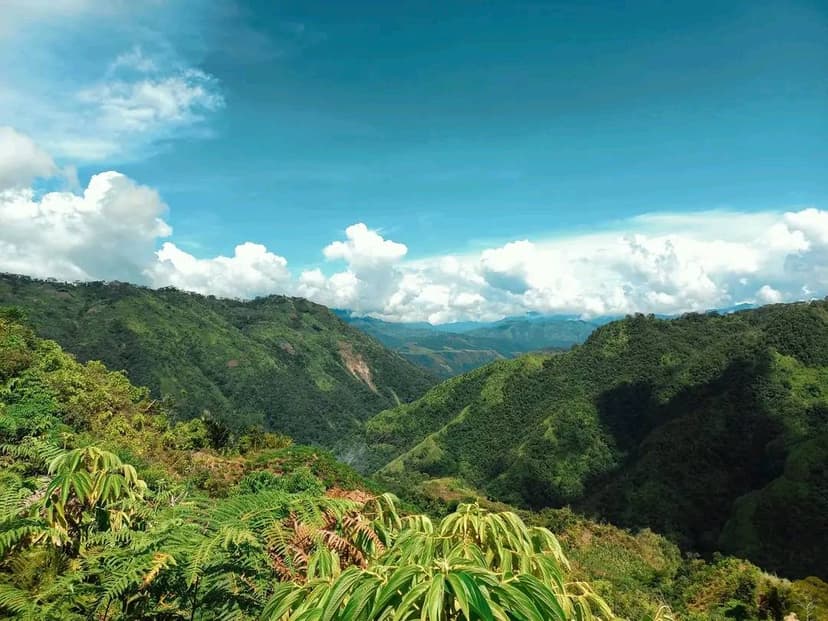
Landscape & Terrain
The district is characterized by a unique blend of fertile inter-montane valleys and rugged highland mountains. This diverse topography supports varied agricultural systems and settlement patterns.
Baiyer Valley
Central valley system known for agricultural productivity and settlement areas.
Lower Jimi Valley Fringes
Transitional zones linking neighboring regions with varied elevation.
Hagen Range Foothills
Mountainous terrain forming natural boundaries and water catchments.
Rivers & Environment
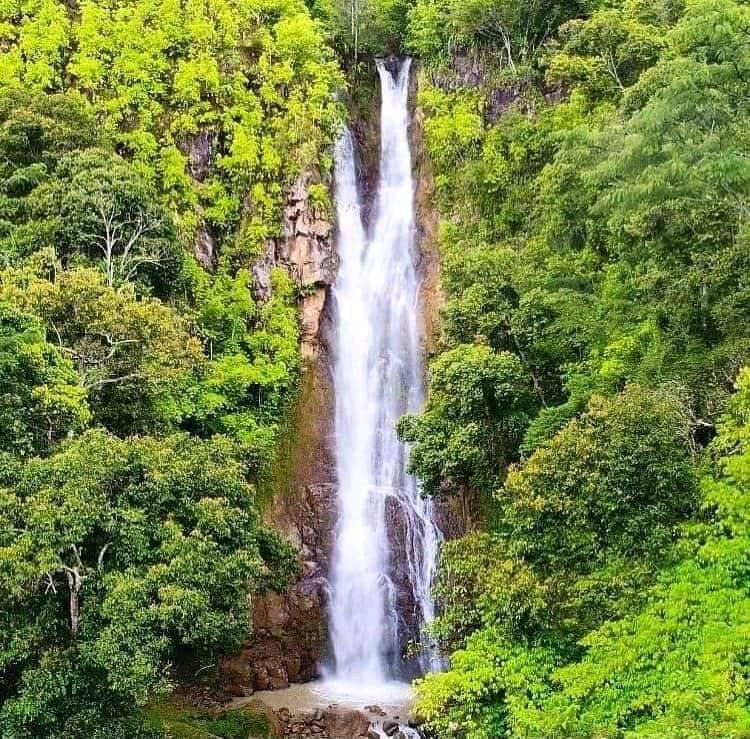
The Baiyer River is the district's main waterway, supported by numerous tributaries that sustain agriculture, biodiversity, and livelihoods across the valleys.
Baiyer River Sanctuary
A protected ecological area known for rich birdlife and native mammals, reflecting strong environmental conservation values.
Agriculture
Fertile valleys support diverse agricultural activities that form the backbone of food security and the local economy.
Coffee
Major cash crop
Sweet Potato
Staple food crop
Vegetables
Market produce
Livestock
Small animals
Future Potential: Commercial poultry and feed production development
Natural Challenges
Limited Road Access
Rugged terrain creates challenges for transportation and infrastructure development in remote areas.
Landslide Risk
Steep slopes become prone to landslides during heavy rainfall periods, requiring careful planning.
Climate Resilience
Need for climate-resilient farming practices and infrastructure to adapt to changing conditions.